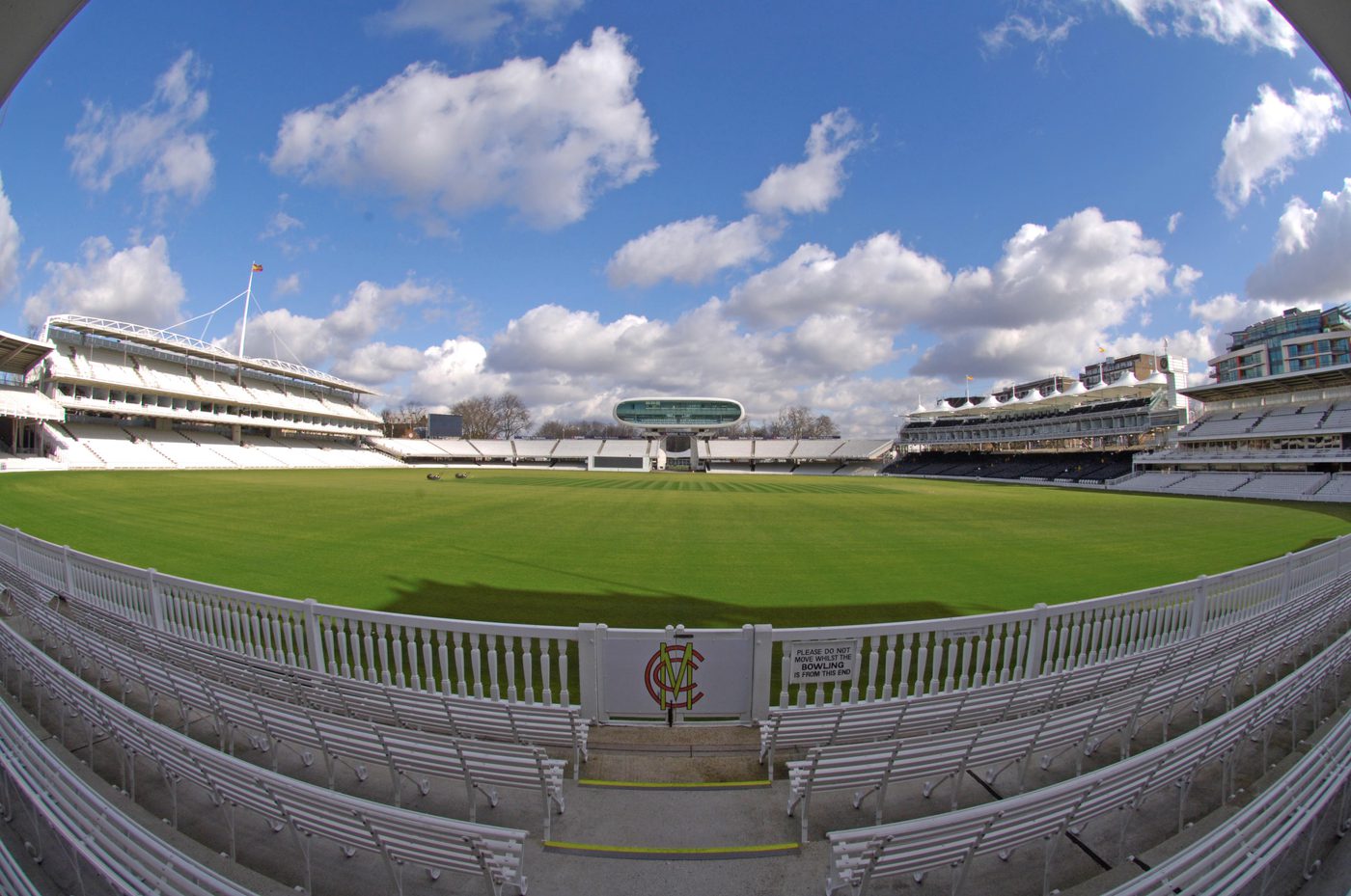
Lords Cricket Ground
Client
Marylebone Cricket Club
Location
London
Architect
Populous
Contractor
Base Structures
Client
Marylebone Cricket Club
Location
London
Architect
Populous
Contractor
Base Structures
Delivering a tensile fabric roof at the Home of Cricket
We engineered and installed a replacement fabric roof at Lord’s Cricket Ground, enhancing spectator comfort while responding to the architectural sensitivity of one of the world’s most iconic sporting venues.


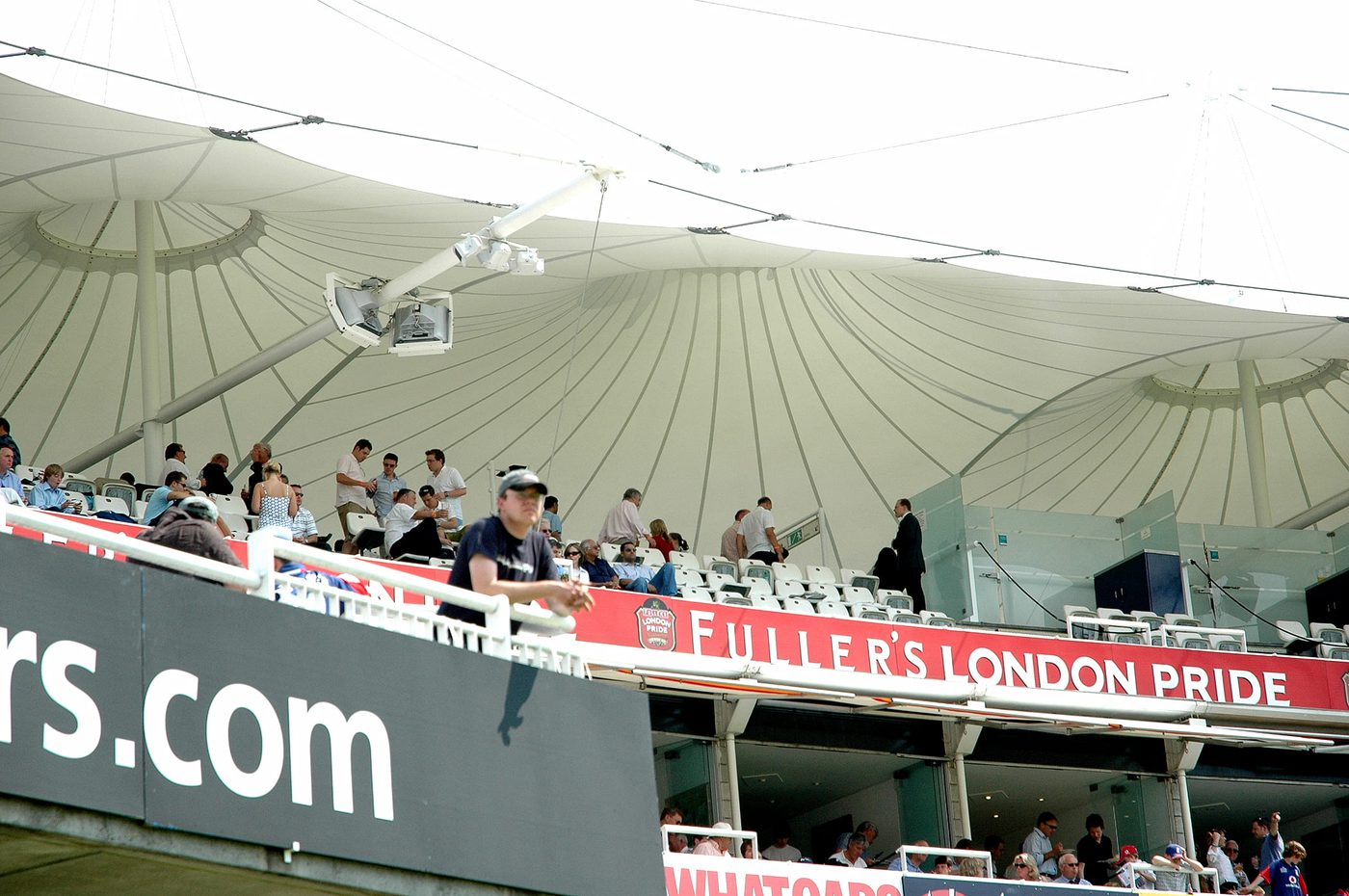
Replacement & Upgrade of Iconic Mound Stand Canopy
Lords, owned by Marylebone Cricket Club, is regarded as the worldwide spiritual home of cricket. To ensure the ground remains not only world-famous but a truly world-class sporting venue, a multi-million pound overhaul was undertaken, part of which included the upgrade of the Mound Stand canopy which after eighteen years of service had reached the end of it’s designed lifespan.
Working Within an Iconic Setting
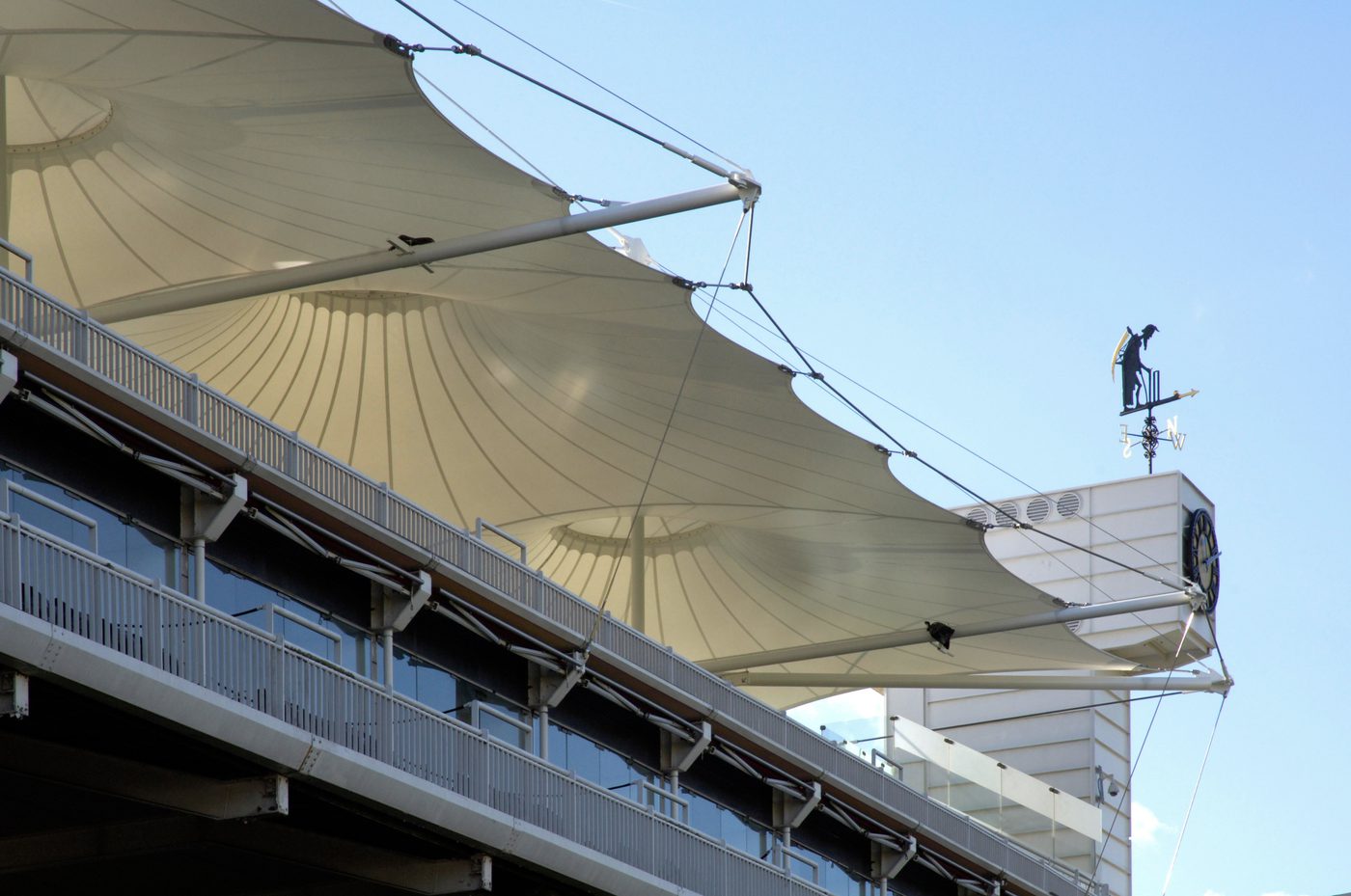
To coincide with a redevelopment of the iconic Mound Stand at Lords, this project required the introduction of a new tensile fabric roof within this highly sensitive context, where any intervention needed to respect both the visual character of the ground, its operational requirements and significant historical importance within the game of cricket. The structure had to provide effective weather protection for spectators while maintaining clear sightlines and integrating seamlessly with the surrounding stands.
Balancing modern performance with heritage considerations was central to the brief. The solution needed to be lightweight, elegant and structurally efficient, complementing the existing architecture without overpowering it.
Team
John Cutlack, Director Capita Symonds
Tony Hogg, Director, Tony Hogg Design Ltd
Mark Smith, Contracts Director, Base Structures
Chris Ives, Project Manager, Base Structures

A Lightweight, High-Performance Roof Structure
We were briefed by NRM Bobrowski, the appointed representatives of Marylebone Cricket Club, to remove, redesign, manufacture and install the new tensile fabric roof over the Mound Stand, a monumental task that would not simply replace the old canopy but provide significant structural improvements through the use of more advanced materials and up-to-date design detailing. As such, the replacement canopy would be expected to last significantly longer than the old one.
A fundamental part of the contract win was our ability to ensure the recycling of the old canopy and so we partnered with Serge Ferrari (suppliers of the fabric for the new canopy), who have developed and built the Texyloop PVC recycling factory in South Eastern France. The recycling of the old canopy led to us becoming a finalist in the Building Awards for Sustainability in 2006.
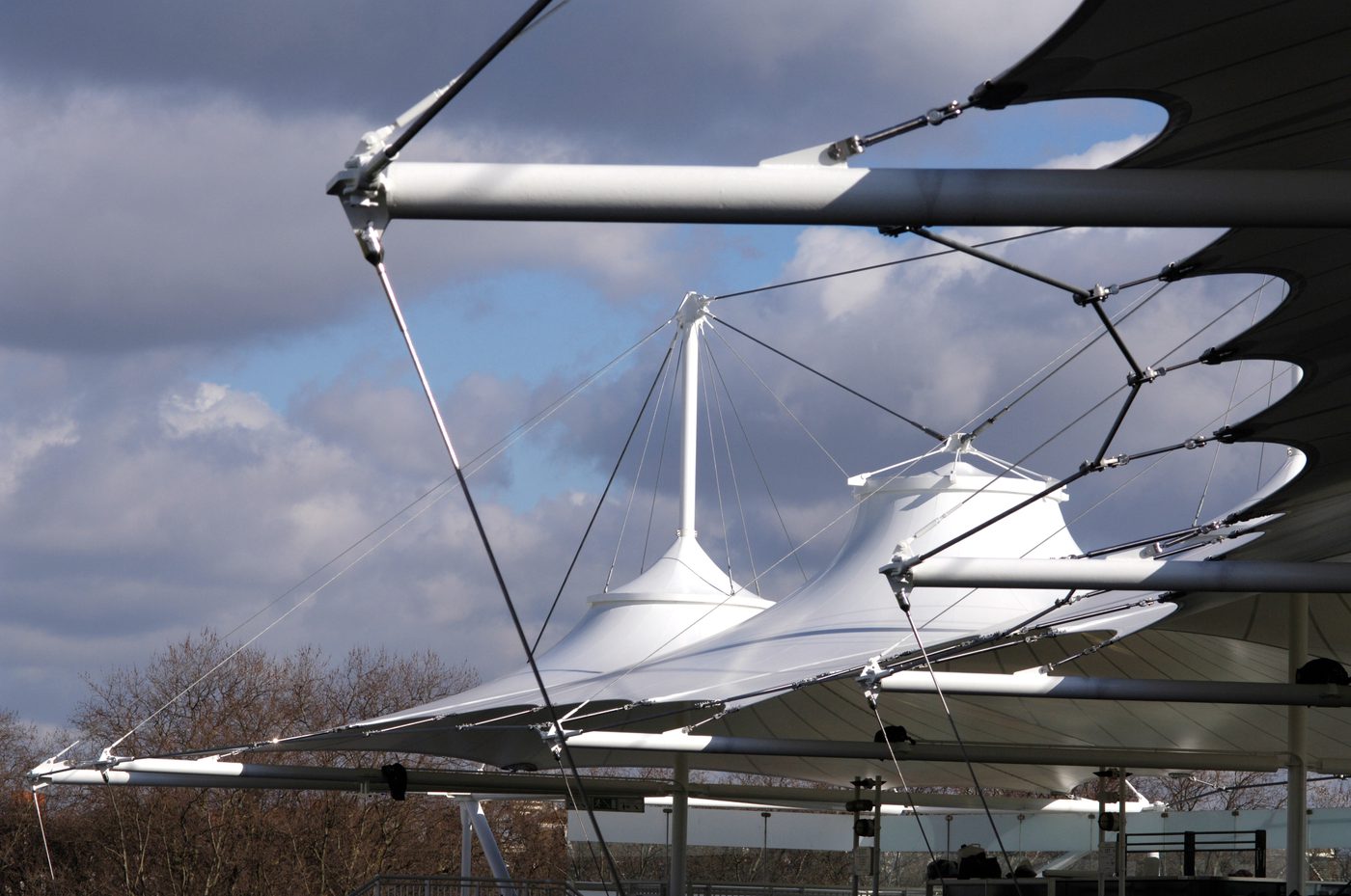
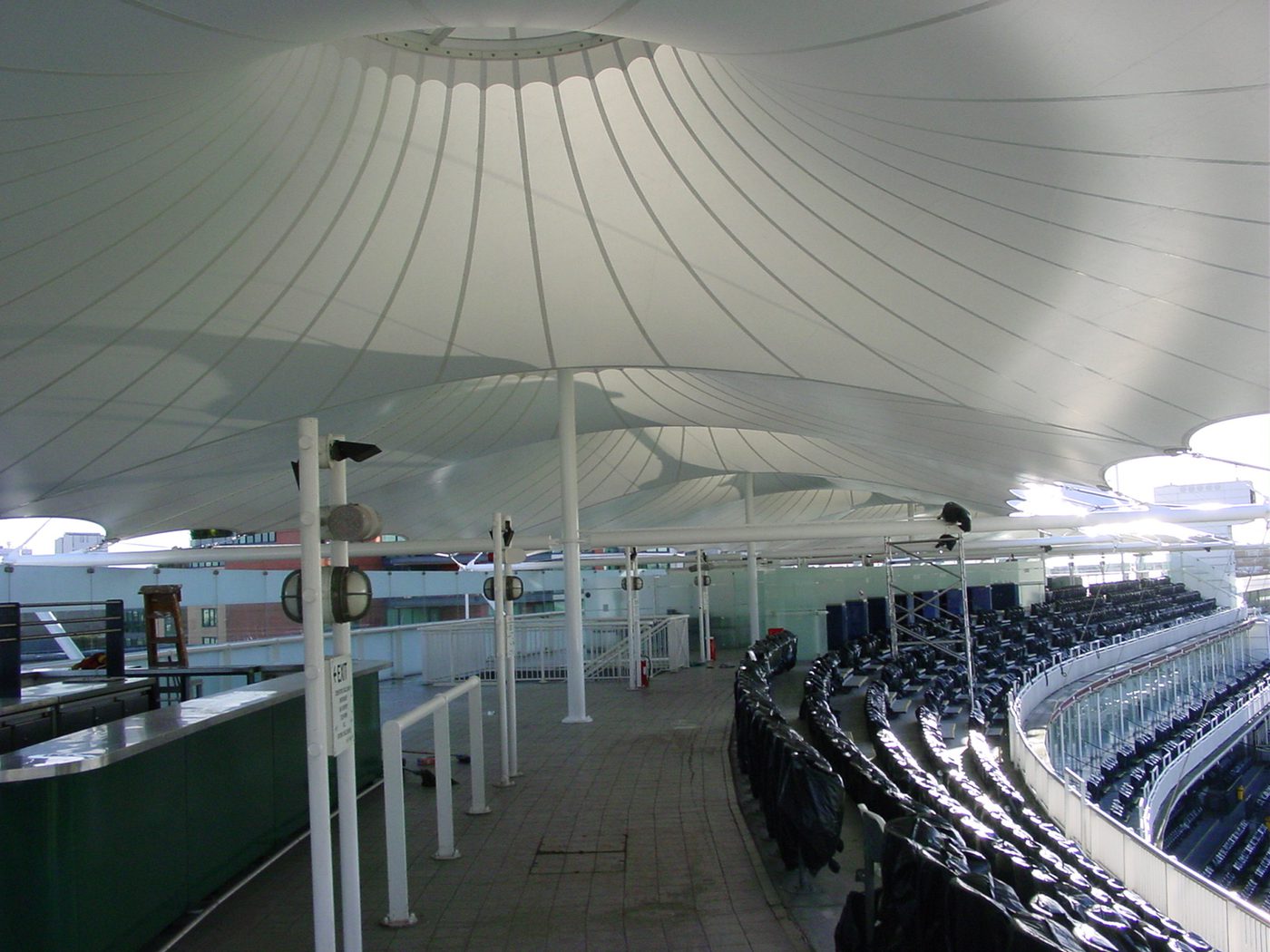
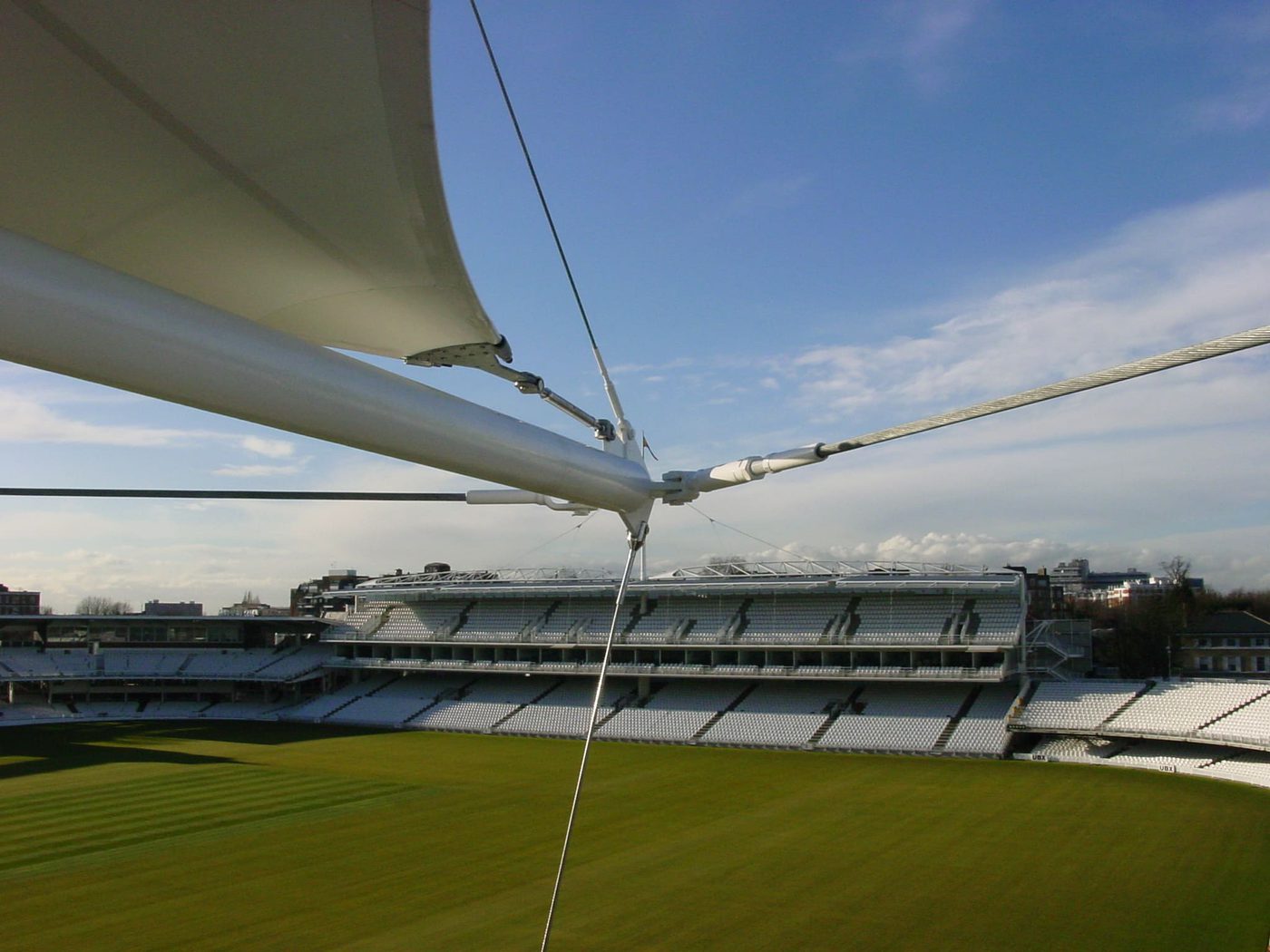
We designed, manufactured and installed a bespoke tensile fabric roof, using PTFE-coated glass fibre to deliver durability, translucency and long-term performance.
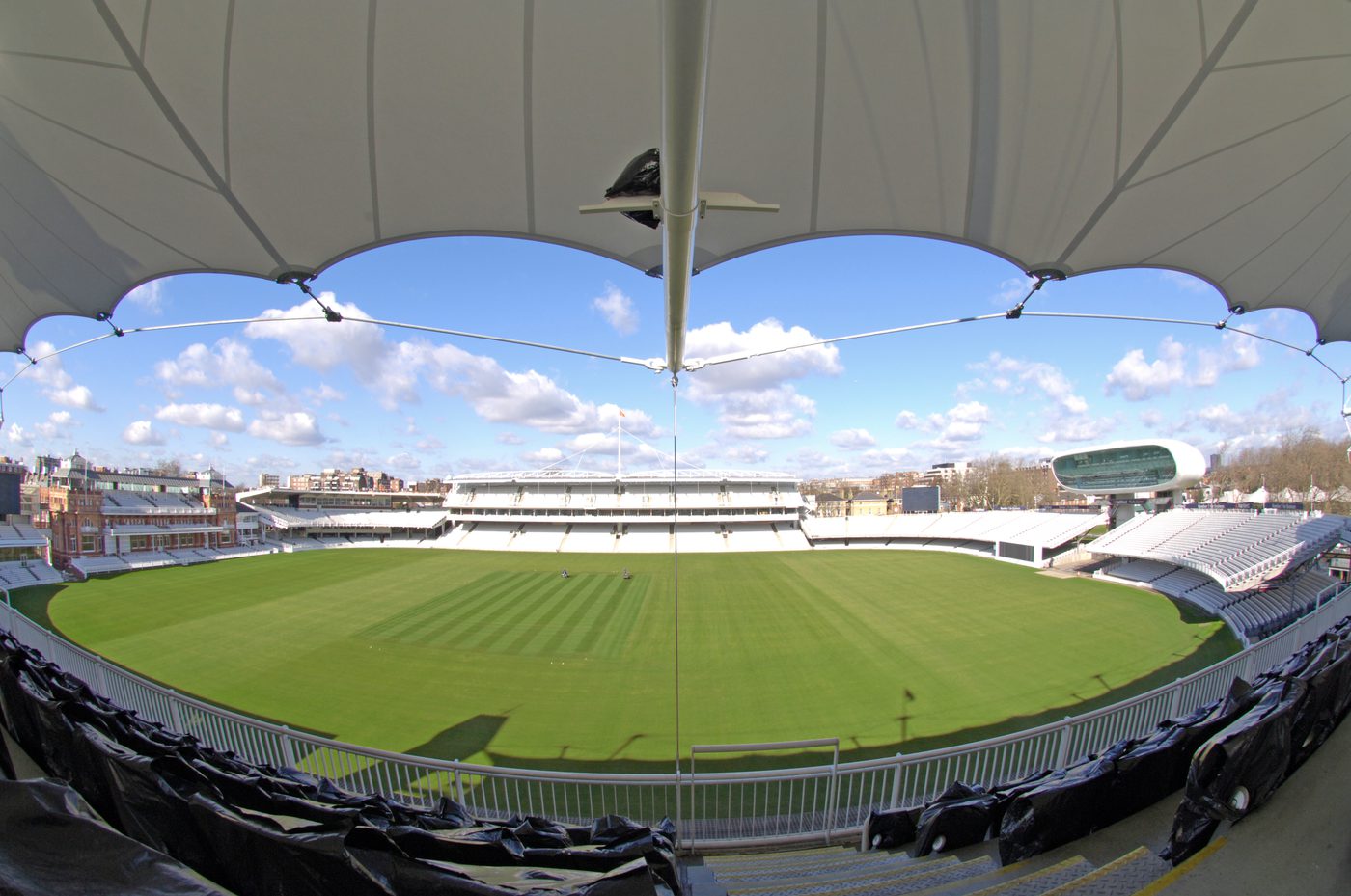
The structure is supported by a carefully engineered framework that minimises visual impact while allowing the canopy to extend out over the seating areas. This creates effective coverage without introducing unnecessary bulk or complexity.
The fabric roof works in harmony with the wider architectural language of the ground, echoing the use of lightweight materials seen across recent developments. Its form and detailing were carefully refined to ensure it enhances the spectator experience while remaining sensitive to the historic setting.
Enhancing Experience at a World-Class Venue
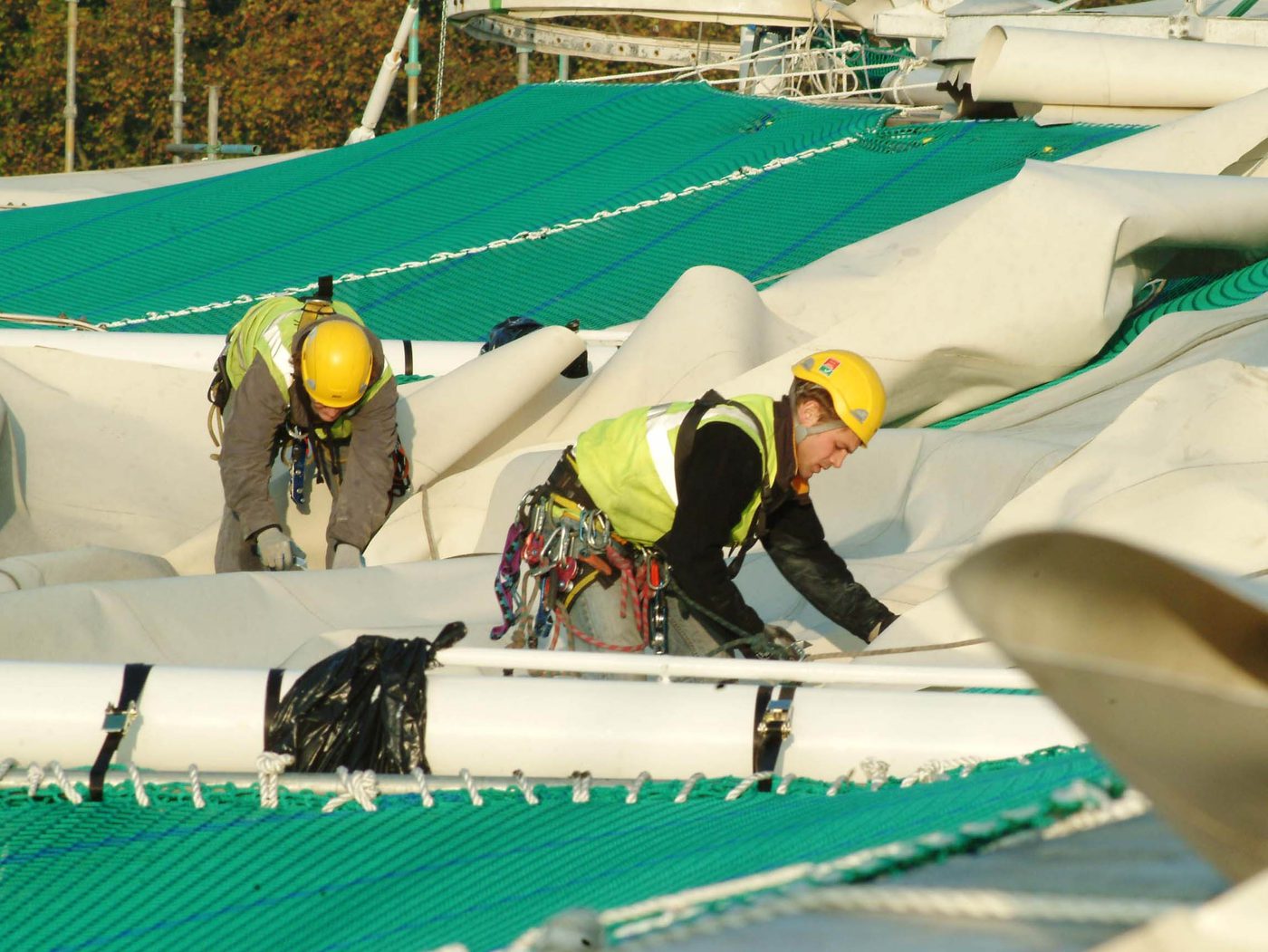
The first task was to remove the old canopy, in itself a huge job. The biggest problem faced by our team concerned how to fully access the canopy structure as it overhangs a busy main road and is closely neighboured by residential buildings.
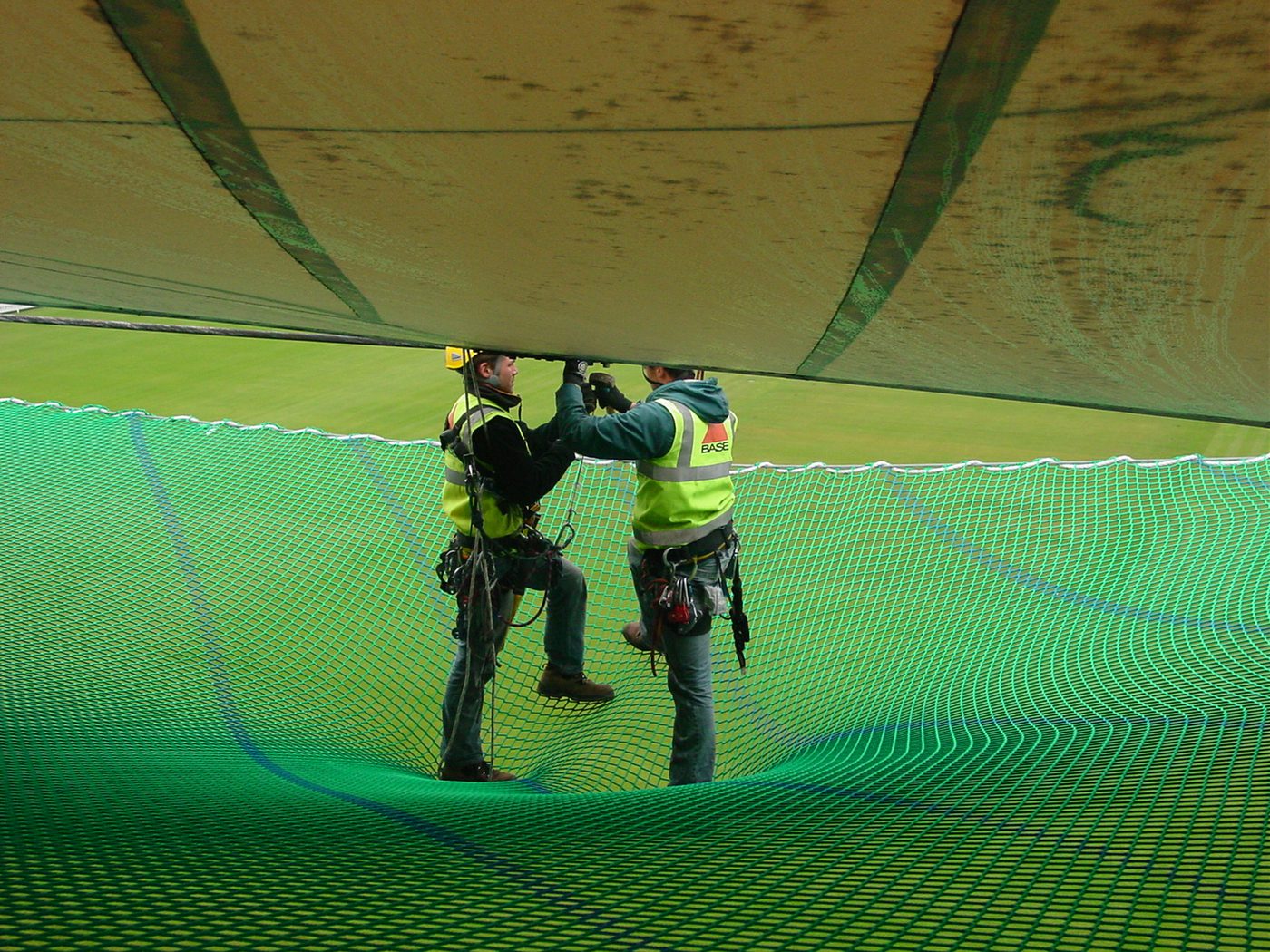
The solution we identified required the use of Working Platform Nets. These netting systems are engineered to ensure the safety of the operatives working on and below them is not compromised, and they proved to be incredibly cost effective by reducing the man hours needed working at height when compared to traditional means of access such as scaffolding. Once the netting was installed by our fully qualified rope access team, non-IRATA trained personnel could then access the work areas in complete safety. The old canopy came down surprisingly quickly once the netting allowed easy access to the structure, especially considering the amount of fabric involved.

Redesign and Upgrade
Next a detailed survey of the existing steelwork enabled our design department to accurately recreate the iconic structure within our specialist CAD software, from which we produced the cutting patterns and finalised the detail design.
It was necessary to redesign and upgrade all the fixtures and fixings on the existing structure to take into account advancements in tensile fabric over the previous eighteen years, ensuring that they were all brought up to current best practice standards. The new PVC membrane itself was a higher specification fabric than the original canopy, using higher quality PVDF lacquers to guarantee a longer life span. As part of this extensive upgrading process all the existing structural steelwork was repainted before the new canopy was installed.
The old canopy was originally made in sections that were joined together using metal fixtures. Taking advantage of the opportunity to redesign the canopy and to improve the aesthetics, the new 1400 sq. metre fabric membrane was manufactured and installed as a single piece of fabric. This improvement resulted in no site joints along the front of the canopy, significantly enhancing the overall appearance.
Once manufactured, the installation of the new canopy began in earnest. The fact our rigging team had removed the old canopy gave us a flying start when it came to installing the new one, since they already knew the structure inside and out. After the new canopy was lifted over the multiple masts in one piece, our rigging team made short work of the installation.
Results
The entire project was successfully completed ahead of schedule and below budget, no easy task considering the scale and complexity of the project. The replacement canopy not only restored the stand to its former glory but also improved the aesthetics and expected life span of the structure. Marylebone Cricket Club were extremely happy with the refurbishment and continue to use Base Structures for regular maintenance of this most iconic of structures.