Sudan Museum
Client
Sudan National Corporation for Antiquities and Museums
Location
Omdurman, Sudan
Architect
Michael Mallinson
Client
Sudan National Corporation for Antiquities and Museums
Location
Omdurman, Sudan
Architect
Michael Mallinson
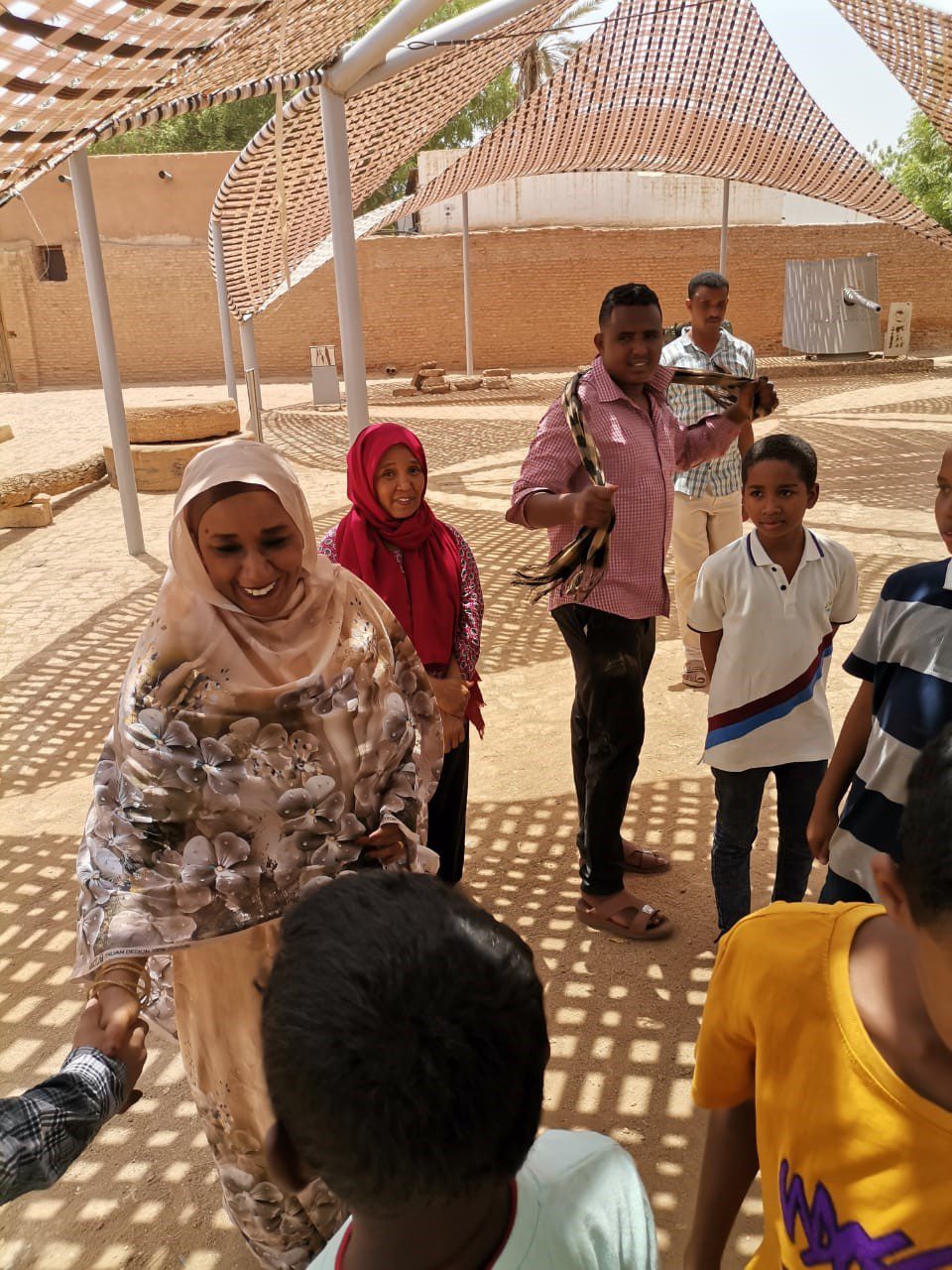
A community canopy space
We were very excited to be approached by the Architect Michael Mallinson to help develop a canopy for the Community of Omdurman, in Khartoum, Sudan.

Creating Shade in Extreme Conditions
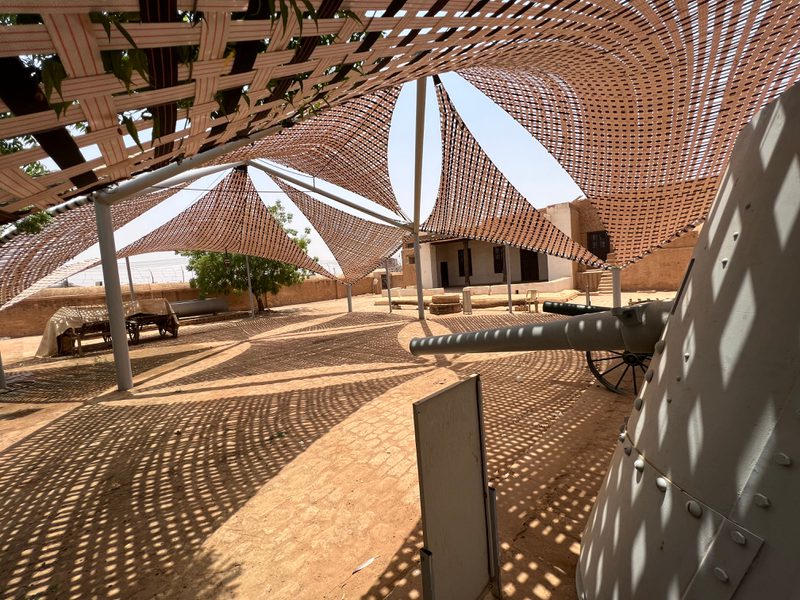
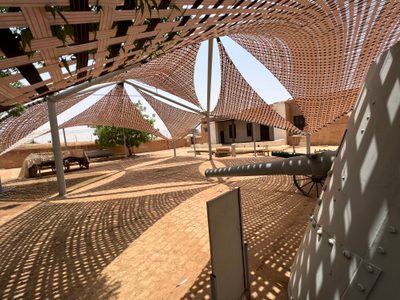
Located in Omdurman, near Khartoum, the project required the creation of a shaded gathering space capable of supporting community use in an environment where temperatures regularly exceed 40°C. The canopy needed to provide effective solar protection while remaining open, breathable and comfortable throughout the day.
Beyond environmental performance, the brief called for a structure that would feel rooted in its context, both culturally and materially. The solution needed to be deliverable using local skills and resources, while still achieving the structural integrity and longevity expected of a permanent installation.
A Contemporary Structure Inspired by Tradition
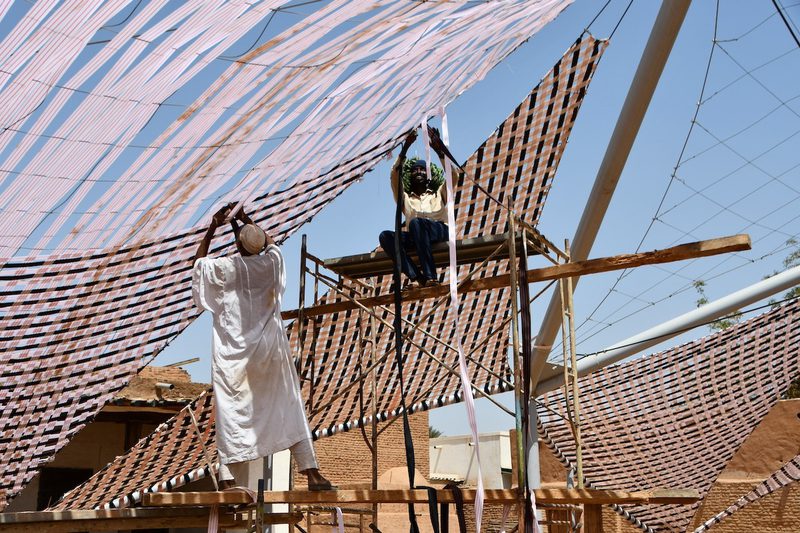
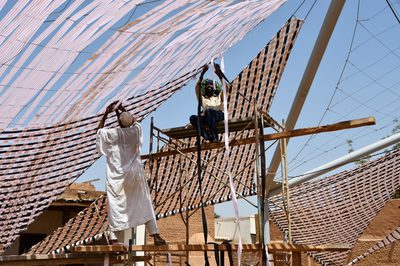
We designed and engineered a lightweight canopy formed from an array of rolled steel arches, fabricated and site-welded locally. Between these arches, a tensioned grid of steel cables supports a woven surface made from 50mm-wide polypropylene strips.
The weaving technique draws directly from local craft traditions, referencing both the construction of Angareb beds and the woven tents of nomadic communities. By using familiar materials and techniques, the structure bridges contemporary engineering with cultural heritage.
The system is inherently flexible and breathable, allowing air to circulate freely while providing effective shade. Its lightweight nature enabled efficient construction using local labour, supporting both delivery and knowledge transfer within the community.
A Space Rooted in Place and Purpose
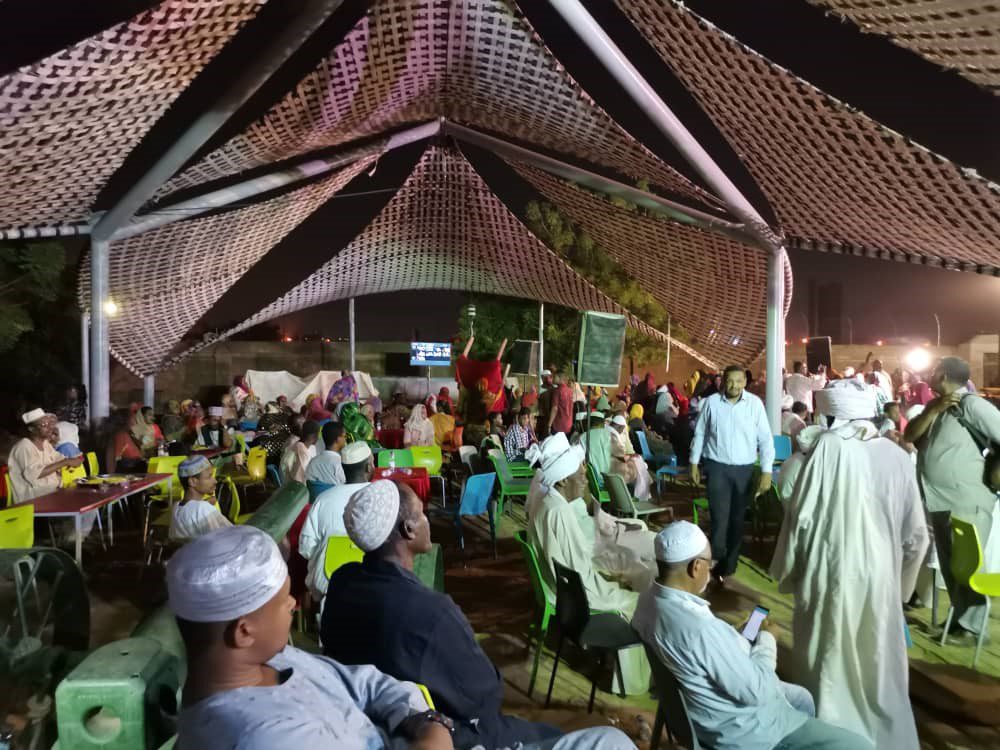
The completed canopy provides a versatile, well-shaded environment for community gatherings, events and day-to-day use at the museum. By combining passive cooling with an open, permeable structure, it creates a comfortable space even in extreme heat.
More than a functional intervention, the project reflects a deeper approach to design—one that responds to climate, culture and community in equal measure. The structure’s visual language connects directly to local traditions, while its engineering ensures long-term performance and adaptability.
Its success has led to the design being replicated at other museum sites across Sudan, demonstrating how a simple, well-considered solution can scale beyond a single project. It stands as a clear example of how tensile architecture can support not just buildings, but the people and stories they serve.
Credits - Funding Partners
British Institute in Eastern Africa
British Council Cultural Protection Fund
Ministry of Digital Media, Youth & Sports
Aliph Foundations